
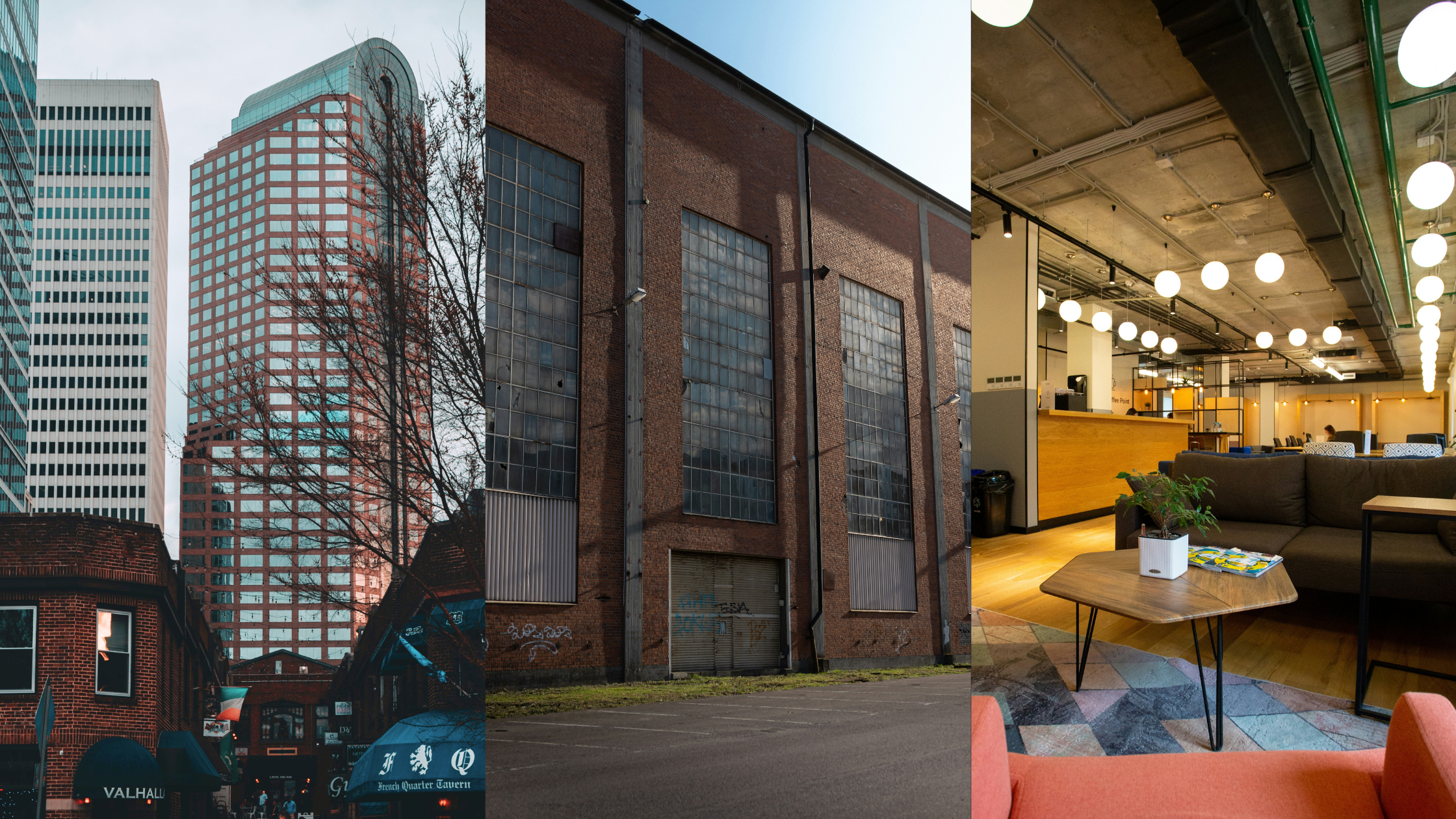
In today’s evolving commercial real estate landscape, long-term vision is more valuable than ever. From navigating market cycles to reimagining industrial and office spaces, success hinges on strategic foresight and adaptability. Forward-thinking investors and developers can achieve lasting value by aligning with emerging trends and foundational principles.
Looking Long-Term to Manage Commercial Real Estate Cycles
In a market where timing is often critical, true success in commercial real estate lies in long-term strategy, not speed. Rather than focusing on short-term gains, investors can benefit from thinking in decades instead of quarters. Forward thinking paired with a deep understanding of market cycles can help investors stay resilient and seize opportunities even in downturns.
Upgrading Industrial Properties
While industrial properties are often a pillar of the economy, they are not always used to their full potential. Recognizing the potential in overlooked and underutilized industrial spaces and transforming them into high-performing assets can unlock significant value and drive new growth opportunities. The strategy centers on identifying locations with strong foundations, tackling deferred maintenance, and making targeted upgrades that align with tenant needs.
Creating Lifestyle-Driven Work Environments
“Lifestylization” is reshaping how we think about office spaces. The concept is driving a shift toward intentional, mixed-use environments that blend work, community, and culture into a seamless experience. Forecasts are even showing that lifestyle office markets could make up 30% of U.S. inventory by 2040. These spaces attract quality tenants, command higher rents, boost pre-leasing, and redefine value for investors. The main goal is to create places where people want to be, not just where they have to work. For CRE professionals, this is a signal to lean into design, connectivity, and placemaking with purpose.
The future of commercial real estate belongs to those who plan with purpose. By embracing long-term strategies, revitalizing industrial assets, and designing spaces that reflect modern lifestyles, investors can position themselves for sustained success. Now is the time to think beyond the next quarter and build for the next generation.